
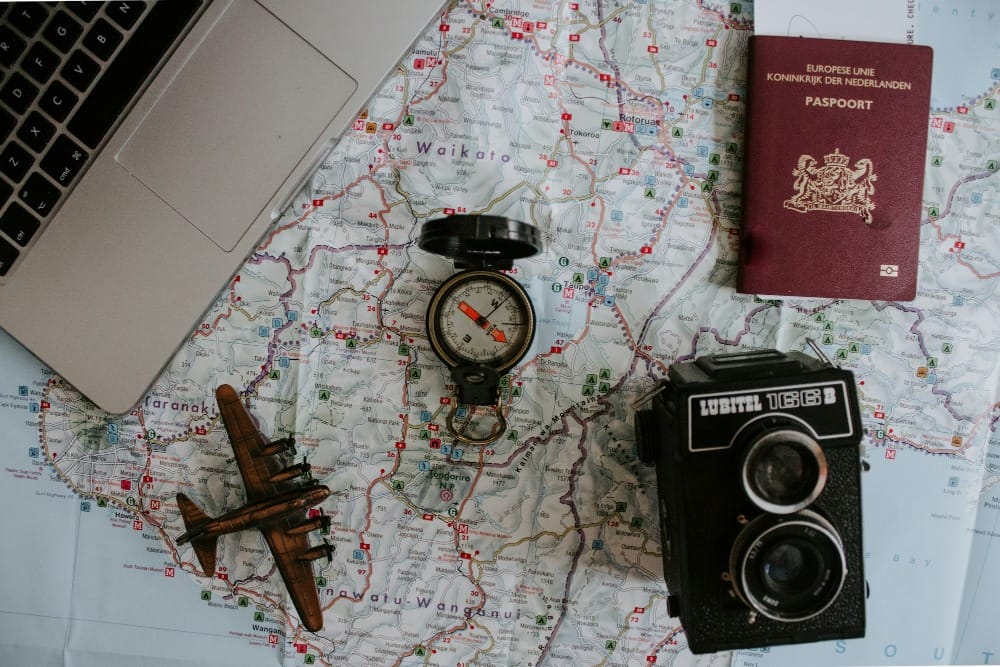
Home used to be a place I could easily define. Home really was anywhere that my family and I resided. It could be a hotel room, a friend’s home, even in the car as we were taking road trips across the country. Of course we had our actual home, lovingly referred to as our ‘homebase.’ Home contained the energy of the people who inhabited it. Home was the weight of his presence in the hallway as he was coming home from work, it was his conversations with my daughter and her friend that I could hear coming from the living room where they played Monopoly. Those four walls held the rhythm of a shared life that unfolded in familiar patterns. But when John died, everything I thought I knew about home shifted. The map of life I had relied on for decades; the one built on routines and shared dreams no longer existed. I found myself standing in a place I never wanted to explore as I held pieces of a life that no longer fit together in the same way.
No one really prepares you for how home can become both too empty and too crowded at the same time. It’s too empty because the energy of the person who once filled every hallway and every room, is no longer there. It’s also feels too crowded because every corner carries a memory, a reminder of what once was and what will never be again. Some days, even the walls feel different, it’s as if they are grieving alongside you.
Redefining home after loss isn’t just about physical space. It’s also about learning to live your life again. It’s about figuring out who you are now without having the person there to reflect your thoughts and dreams back to you. It’s about learning to trust your instincts again and to redefine family, and home, and self. Over the months following John’s death, I began to realize that home may not be a physical place at all. Home may be something that I rebuild inside myself and carry with me to other spaces and places.
I have found home in unexpected places on this journey of widowhood. I have found home in the embrace of a dear friend. I found home in an 1800’s era log cabin in Nashville that I found on Air B&B. Home is in my car driving with my daughter to a favorite coffee shop in downtown Houston. Home has also been having conversations with others who have endured loss. Home has been both the structure that is attached to my mailing address and on a ship sailing in the Fjords.
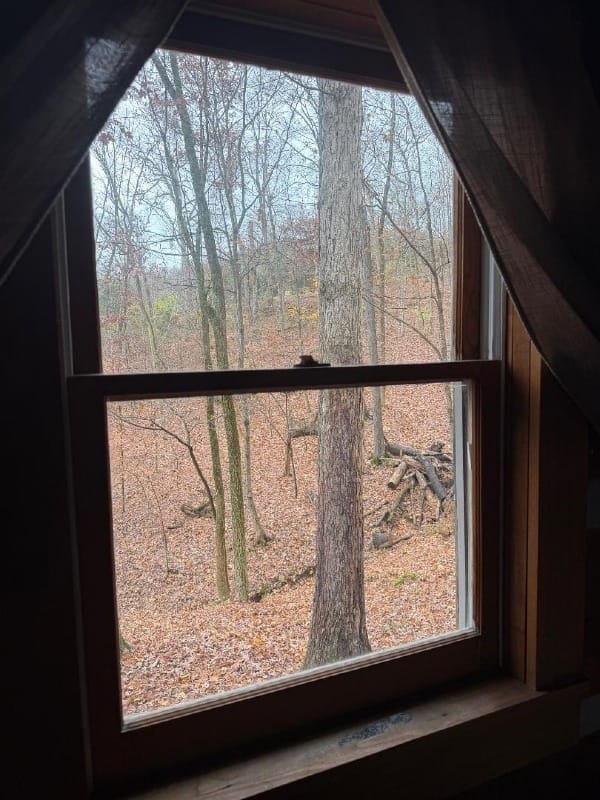
Redefining home doesn’t mean letting go of the love that built the old one. It means allowing that love to travel with you into a life that looks different than the one you had once planned. It means moving into the acceptance that the map has changed. While the road may feel unfamiliar and the scenery looks quite different, it is still yours to walk. Some days, the path is easy to walk. Other days, you may need to stop and catch your breath. Both are part of the journey.
Loss forces you to redraw the boundaries of everything, your identity, your purpose or your why, feelings of safety, relationships, social structures and even faith. But loss also invites us, often painfully, into a deeper understanding of what home truly means. Defining what a home is is deeply personal. Each individual has their own experiences, thoughts and opinions. For me, home has become the place where the memories we built as a family of three rest gently. It’s a place of solace and comfort, where I can easily escape to on days that are difficult. It has become the space where I have slowly reinvented myself and mapped out what the next part of my journey looks like.
The map may have changed, but we must keep moving forward. Keep looking for places you can call home as you continue to find your way in this new terrain. And even in this unfamiliar landscape, know that you can build a new kind of home, one that honors what was, embraces what is, and leaves room for what will be.
